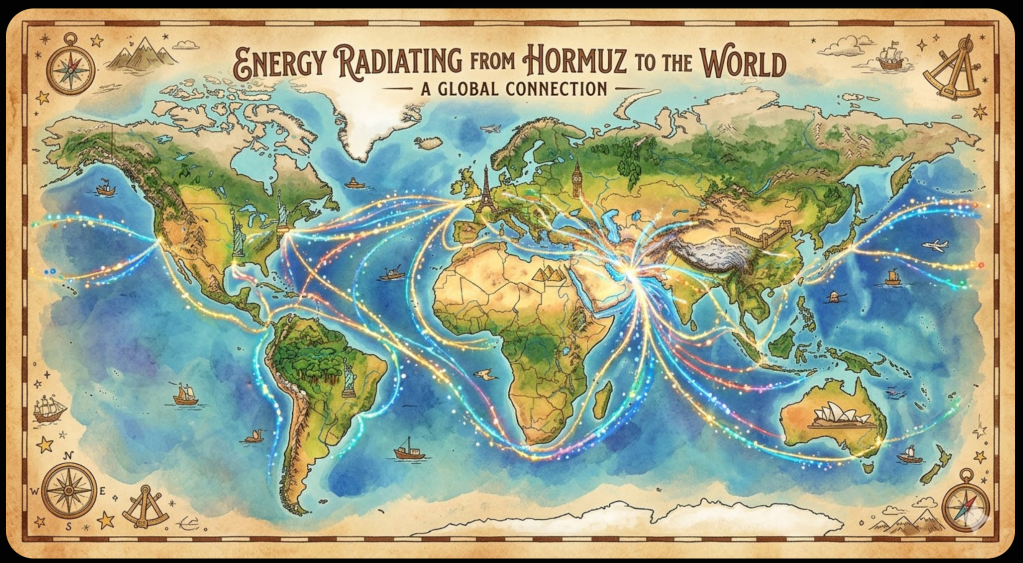
前言:海峽封鎖與戰爭的新常態
2026 年 2 月底,隨著美以對伊朗戰爭的正式打響,全球能源與金融體系的脆弱性被赤裸裸地攤在世人面前。這場衝突與以往不同,它不僅是飛彈與無人機的物理對抗,更是一場關於「誰更能承受痛苦」的韌性測試。當全球目光聚焦於波斯灣的硝煙時,一個令人不安的現實正在浮現:伊朗並非如西方媒體預測般崩潰,反而利用海峽的地理特性與其獨特的社會韌性,反向絞殺了依賴全球化體系的西方盟友。簡單說說我知道的東西吧~
一:荷姆茲海峽的「殺傷區」與不對稱博弈
1.1 伊朗的遊戲規則:誰是朋友?
根據追蹤機構 Kpler 的數據,戰爭爆發後,伊朗的石油出口量竟然從戰前的 200 萬桶攀升至 210 萬桶。這看似反常的數據背後,隱藏著伊朗伊斯蘭革命衛隊(IRGC)精確的政治計算。IRGC 警告,任何試圖穿越海峽的「非友好」船隻都將遭到攻擊。這導致全球約三分之一的產油運力陷入癱瘓,油價一度飆升至每桶 120 美元。
然而,在燃燒的波斯灣中,卻存在著一條「安全走廊」。伊朗自己的船隊與中國的「影子船隊」如入無人之境。這些船隻往往掛著偽裝國旗、由空殼公司持有。當它們進入海峽狹窄水域時,會透過無線電向伊朗岸防部隊大聲宣告:「我們是中國船,我們是朋友。」這種基於政治識別的放行機制,徹底粉碎了西方試圖透過制裁窒息伊朗出口的幻想。
1.2 「殺傷區」的地理優勢與美軍的退縮
海峽最窄處僅約 21 英里。對於現代反艦飛彈與自殺無人機而言,這幾乎是「零反應時間」的距離。儘管川普(Trump)總統在競選與就職初期多次承諾將由美軍強力護航,但現實是:美國國防官員對此極度保留。
伊朗海軍指揮官湯斯里(Ali Reza Tangsiri)的嗆聲並非空穴來風,他威脅以「導彈網與自殺無人機」阻截任何敵對艦隊。在美軍看來,進入這片水域無異於進入「殺傷區(kill box)」。除了岸置火力,水面下的水雷與潛艇威脅,讓即便具備強大防空能力的宙斯盾艦也顯得束手無策。這解釋了為何波斯灣國家(如沙烏地、阿聯等)多次請求美軍護航卻遭到「暫時拒絕」。這不僅是戰略選擇,更是對伊朗飽和攻擊能力的恐懼。
1.3 中伊鐵路
中國伊朗在一帶一路下建設的鐵路,從西安、義烏出發,抵達伊朗德黑蘭,自2024年後已經常態化營運。全程約1萬公里,運輸時間約15天。可以讓伊朗持續封鎖荷姆茲海峽下依然能從世界最大工業國用石油換取所需物資,且甚至比傳統海運的30~40天還快。
想想2021年3月23日長榮海運(Evergreen)的超大型貨櫃輪「長賜輪」(Ever Given)在埃及蘇伊士運河擱淺,船身打橫完全堵塞了這條連接歐亞的重要水道。這段時間中歐班列運輸貨物量大幅上升。
二:被誤讀的伊朗社會結構與「斬首行動」的失敗
2.1 城鄉斷裂與神權韌性
美國與以色列的戰略誤判,根源於對伊朗社會內部邏輯的無知。伊朗神權體制之所以能在長年制裁下屹立不倒,是因為其深厚的農村根基。
- 都市人口(約 77.7%): 這裡聚集了約 7000 萬人,包括大量的知識分子與親美集團。他們渴望國際貿易,對神權政治有所不滿。
- 農村人口(約 22.3%): 約 2000 萬人。在伊朗廣大農村,百年來缺乏政府基礎建設,真正擔負起教育啟蒙、醫療資源協調與農業生產組織的,始終是基層伊斯蘭教士集團。 且前述都市人口中,相當高比例還是來自於農村農民工。
當美以軍隊對伊朗都市區進行轟炸時,他們犯了一個致命的錯誤:他們炸死的是最可能成為潛在盟友的親美分子,或是將這群人炸成了堅定的反美戰士。而對於真正支撐政權的農村地區,由於土地廣闊、目標分散,大規模轟炸的性價比極低。這種「炸都市」的行為,客觀上反而鞏固了教士集團的統治權。這是不派大量地面部隊,不可能改變的侷限條件。
2.2 擊殺「鴿派」的惡果
川普天真地以為「炸死哈梅內伊(Khamenei)」或其核心階層就能讓伊朗政體改弦易轍。但現實是,他炸死的往往是體制內真正能壓住陣腳、願意進行有限外交接觸的「鴿派」。
這與網路上一群被戲稱為「青鳥」的無知評論者心態一致,他們以為美國有能力且有勇氣「斬首」中俄領導人。事實上,如普丁、習近平或伊朗的高層領導,在各自體系內往往是相對理性且壓得住激進派的穩定器。一旦這些「鴿派」消失,接手權力的將是更不具協商餘地、更極端化的少壯派軍人,屆時戰爭將進入無人能控制的深淵。
三:戰爭財政的演變——從「加稅」到「舉債」的墮落
3.1 歷史的教訓:林肯與所得稅
回溯美國戰爭史,早期戰爭受到民眾意願的直接制約,原因在於「戰爭需要加稅」。
- 1861年《收入法案》: 林肯總統為了籌措內戰軍餉,開徵了美國歷史上首次所得稅。
- 1862與1864年: 為了擴大戰爭,稅率從 3% 提升至 10%,並成立了國稅局(IRS)的前身。 在那個時代,戰爭的規模直接與納稅人的荷包掛鉤,這種直觀的經濟負擔是抑制政客窮兵黷武的有效門檻。
3.2 現代軍工複合體與美債機制
然而,自 1913 年聯準會(Fed)體系建立與金融國際化成熟後,美國的戰爭轉向依賴「舉債」。政客不再需要立刻向選民伸手要錢,而是透過發行美債讓全球購買。這使得戰爭變成了一門「生意」:
- 豎立稻草人: 透過媒體製造敵對目標。
- 舉債興戰: 國債/GDP 比率在每次戰爭期間大幅增加。
- 利益分配: 龐大的軍費流入軍工複合體手中,成為政客與企業的獲利來源。
有趣的是,伊朗在長年制裁下也發展出了類似的邏輯。兩邊的軍工體系都產生了「靠戰爭獲利」的內在需求。為了反擊美國的舉債機制,伊朗的戰略極具針對性:透過騷擾中東其他產油國,減少這些王國的石油收入,進而削弱他們購買美債的能力。這是在從源頭上推高美國的戰爭融資成本。
四:全球供應鏈的連鎖崩潰
4.1 中國的「備戰劇本」與避險成功
與網路反中言論相反,中國對荷姆茲海峽封鎖的準備遠超想像。作為全球最大石油進口國,中國採取了三箭齊發的策略:
- 能源替代: 大規模電動車替代方案降低了對汽油的剛性需求。
- 多元供應: 深化與俄羅斯的陸路能源夥伴關係,繞過海路風險。
- 戰略屯糧: 中國石油儲備可能已超過 12 億桶,足以支撐百日進口。2026 年初數據顯示,其粗油進口量逆勢增長 16%,顯示其早已預判戰火。
真正的受害者是日本、韓國與台灣省。這些地區對海峽的依賴度極高,且缺乏應對長期斷油的戰略深度。
4.2 從能源到氮肥:糧食危機的爆發
戰爭的衝擊不僅限於能源。
- 尿素(氮肥): 中東是全球重要的氮肥原料出口地。封鎖恰逢北半球春天播種季節。專家預測,糧食產量可能在 1-2 個生長季內大幅下降,引發創紀錄的糧價通膨,甚至在發展中國家誘發大規模動盪。
- 氦氣與半導體: 半導體工業所需的氦氣供應也面臨斷炊。
4.3 攔截彈危機與「美國已經輸了」
在軍事消耗上,西方正面臨一場「成本不對稱」的災難。伊朗使用大量廉價的 Shahed-136 無人機,迫使美軍使用單價數百萬美元的 PAC-3 攔截彈。目前西方已消耗超過 1000 枚攔截飛彈,幾乎是年度產量的兩倍。
在石油供應短缺、中國限制稀土出口(針對軍事用途)以及歐美製造業拉胯的多重壓力下,西方補充彈藥的速度遠趕不上消耗的速度。這正是為何某些知名學者斷言「美國已經輸了」——因為這是一場美國在財政與資源上都無法持續的消耗戰。尤其考量美國現在的財務狀況、軍隊對資金的使用效率(特別要考慮貪污狀況)和戰爭籌資方式,美國其實存在許多短板。
結語:跛鴨總統與停滯的海峽
目前波斯灣已有超過 600 艘國際商船滯留,海峽內更有 1000 艘船隻交通壅塞。即便是今天立即宣布停火,清理這些積壓的貨物也需要數月之久。
更令人深思的是,當川普總統聲稱要派軍隊護航,而美軍卻以「無此計畫」或「做不到」公開回絕時,這顯示出美國內部的權力裂痕。川普是否在戰爭初期就已成為「提早跛鴨」?我相信美以發起的伊朗戰爭,已經不是美以雙方可以單方面停止的戰爭。可戰爭一日不停,川普在2026年底期中選舉失利的機率就更高,到時國內政治上也將「正式跛腳」。與此同時,只要戰爭存續,美國和以色列之間的利益衝突就會擴大,且美國要跟中國或俄羅斯競爭、交往乃至於談判都將更弱勢、更容易被拿捏。
以色列早就是美國的睪丸,世界各國要同美國爭、和美國有利益衝突,就抓一下。
例如近日西班牙為了在委瑞內拉乃至於拉丁美洲的龐大利益 (截至2025年,西班牙在拉美累計投資超1萬億美元,是拉美第一大外資來源國)對上美國,也是拿以色列說事可窺探一二。(2026年3月與以色列外交僵局惡化,西班牙永久撤回大使)
在這場由能源、金融與社會韌性交織而成的 2026 大戰中,傳統的武力威懾正逐漸失效,而新的全球秩序正在斷裂的供應鏈與燃燒的海峽中緩慢成形。此事件我認為是重大國際總統經濟環境改變,對個人投資和資產配置應該列入重點考量。
 元毓說
元毓說 