著名的一戰歷史書籍「The Sleepwalkers」作者Christopher Clark曾詢問參加過一戰的舅爺James Joseph O’Brien:
「參戰的人是害怕還是渴望投入戰鬥?」
他回答:「有些人害怕,有些人渴望。」
「不,是那些渴望戰爭的人先拉褲子。(‘It was the keen ones who shat themselves first.’)」
二戰時期食品管理局局長Claude Wickard認為切片吐司使用過多蠟紙,下令禁止吐司切開販售,引發美國家庭主婦嚴正抗議。
時任紐約市市長Fiorello LaGuardia網開一面,聲稱雖然工廠不能切片,但終端零售店家如果提供機器切片服務並無不法。但當時的食品分配協會(Food Distribution Association)否決了這一提議,要求停止任何商業切麵包行為,其理由是「如網開一面會侵害『沒有切吐司機器』的愛國商家」。
你瞧,市場競爭不過你就用法律手段禁止你,這可是美利堅老傳統。(更別提吐司切不切片都能跟國家安全扯上關係,這個理由早就是萬年老哏)
順道來一點英文小教學。英文諺語:「自切片吐司發明以來最好的事(the greatest things since sliced bread)」專門用來形容你覺得好得出奇、好到無法無天的事物。
例如媒體曾用此諺語形容internet、汽車…等等。
發明切片吐司有這麼了不起嗎?還真的是。
1912年Otto Fredrick Rohwedder發明了切片吐司的自動化機器,雖然後來於一場大火中付之一炬,但他又重新製作,終於在1928年正式上線,開始販售「機切吐司」,轟動全美國,被當時的媒體譽為「烘焙業史上最偉大的一步」!
黑人家庭收入低於貧困線的比例在1940年到1960年間下降得最為明顯,從87%下降到47%,這一時間跨度遠早於1964年的民權法案和1965年的投票權法案,也遠早於1970年代「平權行動」演變為數字化的「目標」或「配額」。雖然貧困率的下降趨勢持續,但這一下降的速度並沒有在這些法律里程碑之後加快,實際上反而是放緩。貧困率在1960年代的十年間從47%降到了30%,然後在1970年到1980年間僅從30%降到了29%。儘管對1960年代的民權法律或同一時期的扶貧戰爭計劃聲稱有多大功勞,但硬核事實顯示:黑人脫離貧困的進程在這些政府行動開始之前更為顯著。
(…The percentage of black families with incomes below the poverty line fell most sharply between 1940 and 1960, going from 87 percent to 47 percent over that span, before either the Civil Rights Act of 1964 or the Voting Rights Act of 1965 and well before the 1970s, when “affirmative action" evolved into numerical “goals" or “quotas." While the downward trend in poverty continued, the pace of that decline did not accelerate after these legal landmarks but in fact slackened. The poverty rate declined from 47 percent to 30 percent during the decade of the 1960s and then only from 30 percent to 29 percent between 1970 and 1980.1 4 However much credit has been claimed for the civil rights laws of the 1960s or the War on Poverty programs of that same decade, the hard facts show that blacks’ rise out of poverty was more dramatic before any of these government actions got under way. )~Thomas Sowell – Economic Facts and Fallacies (2008)
就像我多年來在此blog反覆強調:人權的增長來自於實際經濟收入的改善。所謂的人權鬥士等政客表演,往往貢獻遠不如他們自己所宣傳。
1. 約莫15年前,經濟學大師張五常曾預測幾年內中國內需市場重要性將會大過出口市場,到時即便被美國貿易制裁也大可置之不理。
一個重要的經濟理論是Adam Smith 就提出的「專業分工的限度事由市場的廣度決定(Specialization is limited by the extent of the market)」
中國目前是世界140多個國家最大貿易夥伴,同時中國也是全世界唯一擁有聯合國定義所有工業項目產出的國家。Adam Smith的智慧由此可證,反之也證明中國在供應面的強大已非同日而語。
市場夠大,專業分工就可以夠細且全面;反之,夠細且全面的分工本身可以帶來巨大的成本優勢,利於更進一步拓展市場。這是一個正向循環過程。
比如中國2023年前十月新車銷售量接近3000萬輛,是第二大市場美國的2倍。這充分解釋為何中國產電動車售價相對世界多數國家物美價廉,以及銷往歐美售價高過國內售價。
2. 2019年川普政府發動貿易戰初起,我就預測美國此舉會加速中國工業升級,美國在貿易戰上只會付出巨大成本而徒勞無功。都是經濟學基本定律的應用。
如今看中國在電動車的競爭力,以及美國現今真實貿易依然高比例依賴中國(無論是made in China或made by China,帳面數據上似乎美國從中國進口少了一點,但大幅增加的墨西哥或東南亞國家供應者背後幾乎都有高比例中國企業的影子),也再次證明經濟學的科學預測力。
3. 中國市場本身自由度越高,則面對貨幣緊縮/通膨的能力越強。
換言之,坊間誇誇其談中國通縮風險如何嚴重的人,99%都是經濟低手,其言論不值一看。
如同張五常多年文章反覆提及,改革開放以來中國曾面臨長時間嚴重通貨緊縮,卻在同一段時間享有高度經濟成長,其關鍵在於市場自由度夠高,各種複雜的契約關係都能快速變換、定價。
因此只要中國繼續維持開放自由市場路線,則面對貨幣波動的韌性肯定是遠超市場相對非常不自由的歐美市場。
筆記:
商务部:10月社会消费品零售总额4.3万亿元 同比增长7.6%
人民网北京11月22日电 (记者孙红丽)11月22日,商务部消费促进司负责人谈2023年10月我国消费市场情况时表示,10月份,社会消费品零售总额4.3万亿元,同比增长7.6%,增速比9月份加快2.1个百分点,连续3个月回升;1-10月累计38.54万亿元,同比增长6.9%。
商务部消费促进司负责人指出,10月份,各级商务主管部门按照“2023消费提振年”总体安排,抓住国庆假期消费旺季有利时机,加快落实各项促消费政策措施,积极组织开展金秋购物节、家居焕新消费季、新能源汽车消费季等活动,优化消费供给,创新消费场景,提振消费信心,促进消费持续恢复和扩大。
商品消费增速加快。10月份,商品零售额同比增长6.5%,增速比上月加快1.9个百分点。户外运动、新型电子产品、新能源汽车、智能家电等升级类商品增势较好。限额以上单位体育娱乐用品、通讯器材、汽车、家电零售额同比分别增长25.7%、14.6%、11.4%和9.6%,比上月分别加快15.0、14.2、8.6和11.9个百分点。新能源汽车销量同比增长33.5%,占新车销量比重达33.5%。
服务消费较快增长。1-10月,服务零售额同比增长19.0%。在节日效应等因素带动下,住宿餐饮、文化旅游、交通出行等服务消费需求集中释放。10月份,餐饮收入4800亿元,同比增长17.1%;电影票房收入超36亿元,增长约七成;铁路旅客运输量、城市轨道交通客运量同比分别增长195.6%和55.8%。
网上零售增势较好。1-10月,网上零售额12.3万亿元,同比增长11.2%,其中实物商品网上零售额10.3万亿元,增长8.4%,占社会消费品零售总额的比重达26.7%。
实体零售持续恢复。1-10月,限额以上实体店零售额同比增长4.3%,增速比1-9月加快0.3个百分点。其中,便利店、百货店、专业店、品牌专卖店零售额同比分别增长7.3%、7.2%、4.7%和3.6%。国庆期间,全国示范步行街日均客流量同比增长87.4%,36个大中城市重点商圈日均客流量同比增长1.6倍。
城乡消费稳步增长。10月份,城镇消费品零售额3.7万亿元,同比增长7.4%;乡村消费品零售额5854亿元,增长8.9%。1-10月,城镇、乡村消费品零售额分别为33.39万亿元和5.16万亿元,同比分别增长6.8%和7.6%。
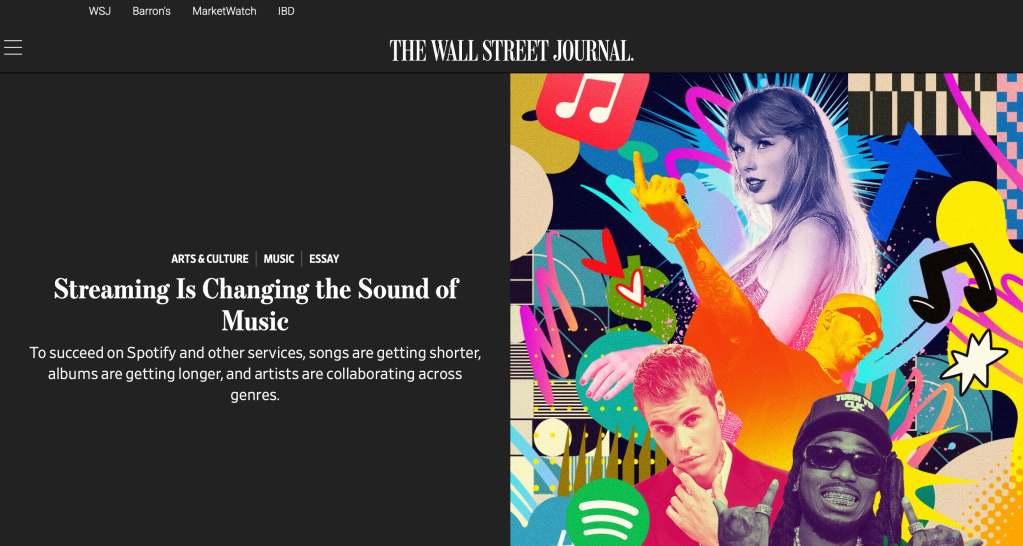
1 多數串流平台的分帳機制,一首歌被點播之後必須超過30秒,平台才需要向音樂版權所有人支付分帳。
因此大部分歌曲的前奏被大幅縮短,新曲的副歌比老歌更早出現。
1972年Billboard排行第一名的搖滾樂"Papa Was a Rollin’ Stone"長達4分鐘的純樂器前奏,在現代流行音樂不再可能。
2 某些音樂專業人更表示,現代流行音樂創作者必須在歌曲開始的5~10秒內就讓聽眾接收到「副歌即將出現」的暗示,否則連10秒都撐不到聽眾就會點擊「下一首」。
這樣的經濟安排也必然逼迫現代流行樂往一個非常「八股」的模板化創作傾斜。
3 萊美獲獎製作人馬克·羅森(Mark Ronson)更表示,一首歌必須在3分15秒內結束,這是多數聽眾可以接受的長度。
超過這時間,聽眾點擊下一首,則平台會認為「這首歌大家都聽不完,一定是不值得推薦」,從而在平台上播放率不斷下沉直至無人聞問。
因此2000年以來熱門歌曲的平均長度下降了30多秒。2000年之前上榜的流行歌曲多在4分鐘以上,但2021 年上半年獲得第一名的歌曲中,有近三分之二的時長不到三分鐘。
4 Spotify上一首歌2000萬次完整播放代表$16.3萬美元的版稅收入。
5 受追捧的明星歌手,其粉絲更有意願聽完整張專輯,造成某些當紅歌手的專輯可以所有歌曲都霸榜,例如:Ed Sheeran的 “Divide” 內含16首歌,一度佔了當時Top20榜16個位置。
霸榜越多,越是提高該歌手與平台的分帳談判籌碼。因此在歌曲越寫越短的當下,專輯反而越來越長。許多專輯動輒24首、45首歌,都是2000年以前難以想像。
這又是金錢決定創作、制度安排決定行為的經濟學案例。
筆記:
這點應該讓SVB哭昏在廁所,殺人誅心啊!早一天有這個計畫,SVB也不用倒閉了。(反之,沒有SVB死在前方沙灘,Fed估計也不會推出此計畫)
順著這個怪異精神狀態,BTFP如果救銀行流動性有效,則Fed豈不是又可以繼續升息?這樣看來拯救成功反又成壞消息?
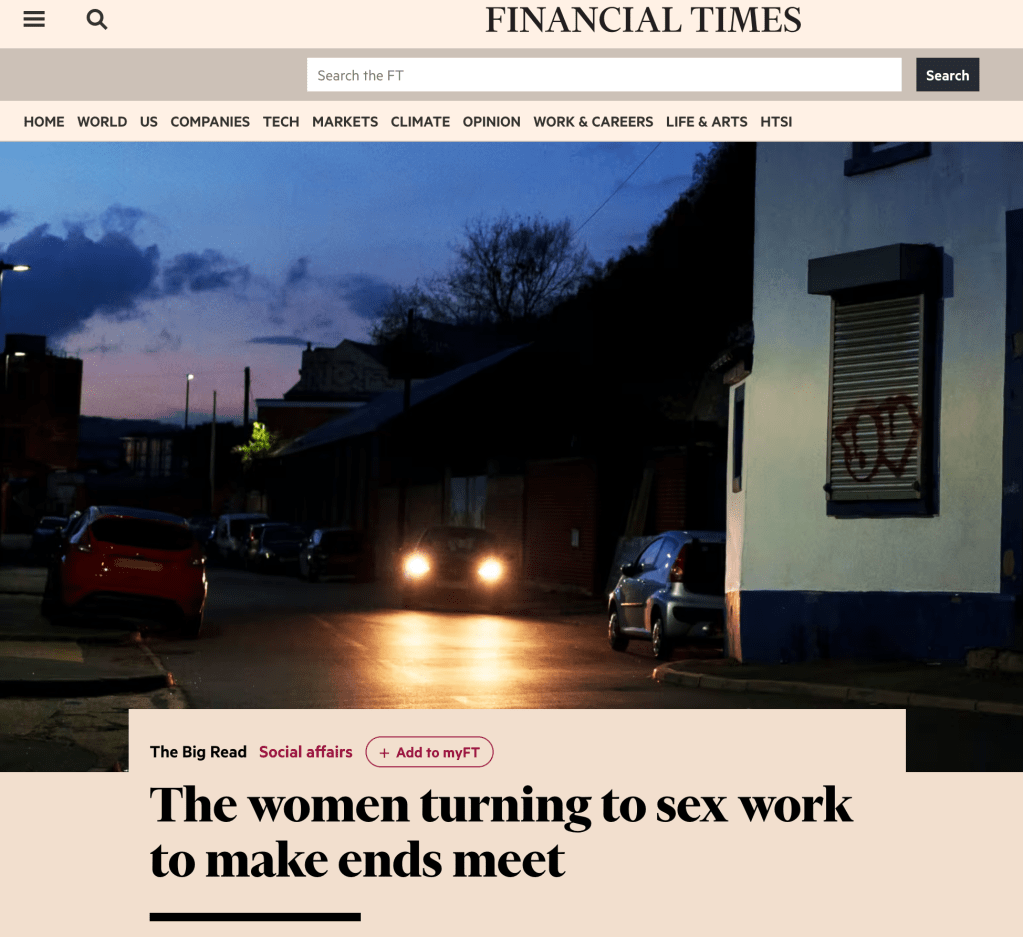
英國金融時報長篇報導2022年以來,英國有大量女性迫於生計從事賣淫。文章開頭女主角Tiffany原是公務員,現今迫於英國衰敗的經濟與窘困的生計,每天由丈夫接送到嫖客處所賣淫。
FT調查發現2022年加入賣淫產業的婦女人數是2019年的三倍。
一個專門援助賣淫女性毒品施用的慈善組織Sheffield Working Women’s Opportunities Project 指出,與過去高比例為了繼續購買毒品而賣淫的現象不同,2022年下海從事賣淫者大多數就是為了支付通膨漲價下一般家庭開銷。
一名叫Jodie,現年52歲,已經站街賣身30年的女士表示,今年以來,她的老客戶們紛紛試圖殺價,而她也欣然接受,因為她知道大家生活都不容易。價格從疫情前£20~30降到現在£10~15,約莫是50%。
同時服務內容,需要口交跟肛交的客戶需求也開始增加。這在經濟學上表示買方具有較高壟斷性,恰好符合第一線妓女的觀察:「因為客人知道女孩子很缺錢("…because they must know girls are hard up…")」。交易內容的改變往往是價格以外,更重要的經濟學訊號。
當然這也意味著賣淫的女孩們將面對更暴力的客戶需求。
這點我在2018年的文章也簡略討論過:經濟好壞本身會直接影響妓女工作上面對的人身風險。根據統計,2004年妓女被殺害的比率是204人/每十萬人;而伐木工人死亡率是118人/每十萬人。賣淫是一個比伐木死亡率還要高的危險職業。
但Scott Cunningham、Gregory DeAngelo與John Tripp這三名經濟學家研究發現美國人常用的地區型線上分類目錄廣告Craigslist在2002~2010提供色情廣告刊登服務的期間內,降低妓女被殺害死亡率約17.4%,同時也顯著降低一般女性的被強暴率。
反過來,有些原本在家接客的妓女,疫情後被迫投靠妓院。Audrey Caradonna 表示一樣的收入,過去在家每日只要接三個,現在在妓院每日得接到10個。她擔心某個嫖客在交易過程涉嫌絞死妓女,疫情前一樓一鳳模式她可以拒絕,但在妓院卻有可能碰上。
該篇報導還談到立法將性交易入罪化會大幅度提高妓女的工作人身風險,這一點我也在好幾年前的文章中從法律經濟分析角度談過。性交易除罪化正常化才是保障底層低收入女性無論是收入或基本人身安全最好的解決方案,特別是可以大幅降低幫派掌控之妓院逼良為娼的現象。
因為當從事賣淫的行為成本降低(例如不再有刑事責任),則賣淫的邊際租值會降低,造成幫派掌握賣淫的總體利益會因為失去法律保護之壟斷性與競爭增加二者影響之下而減少。當邊際租值降低,使用暴力經營的邊際成本就會增加。不善經營,只會靠暴力的經營模式在市場競爭下自然淘汰。
同理,因法律禁止賣淫而生的警方黑幫勾結或警察向妓女索賄也會因此減少與消失。
2003年紐西蘭將賣淫除罪化後,2008年的研究指出該國妓女數量並未顯著增加,但妓女收入與人身安全得到顯著改善。面對不受歡迎的嫖客,紐西蘭妓女可以報警處理是一大關鍵。反之,未除罪化之前,相當數量嫖客看準妓女不敢報警,而在一樓一鳳模式中入室後強暴、強盜、搶劫。
這也說明為何妓院抽成高,可能有黑道幫派掌握,但在賣淫有罪的社會中,多數妓女還是被迫選擇進入妓院。
英國政府自己也清楚各地方警察對於賣淫執法有很大的不同與選擇性。許多地區的警察並不願意逮捕他們眼中「其實是弱勢的賣淫女」。
前述的風險,也多發生在「阻街賣淫」模式上。
誠如我前述三位經濟學家的研究發現,讓線上賣淫廣告合法化,就能大大降低從業者的人身風險。
經濟邏輯:
1. 透過線上廣告,許多阻街女郎毋須在深夜徘徊於街道上,基本上就避免掉碰到隨機殺人等各種情況。
2. 相較於上街找妓女幾乎可以不留任何證據痕跡,透過線上廣告找性服務多多少少會留下電子足跡,警方未來要追查相對容易。這份擔憂(成本)過濾掉許多殺人行為的可能性。
3. 反之,妓女透過線上廣告的資訊與評價(包含女郎間的資訊傳遞),能更有效地過濾「可能不安全」的客人。
4. 透過線上系統安排到的安全客人,日後再透過線上溝通機制繼續交易的機率大增。這也進一步降低服務提供者接觸陌生客人的次數,從而降低碰上「不安全客人」的機率。
三位經濟學家也指出,如果要透過增加警力(以舊金山灣區為例)的方式來達到同樣的死亡率降低效果,納稅人需要每年多負擔$200億美元用來增聘警察。換言之,允許Craigslist這種線上廣告刊登色情服務,不但一年救了2150位妓女,也替納稅人省掉200億美元。
結論:
誠如我在過去兩年多篇文章中反覆強調,全球性通貨膨脹乃至於停滯性通膨將大大影響中低層人民的收入與生活。
現實的殘酷是,許多人面臨的財務風險,很可能來源於他們弄不懂也控制不了的貨幣因素。
經濟學大師A. A. Alchian幾篇論文所證明「通貨膨脹必然帶來財富移轉效果」之現象,升斗小民該憂懼的,是自己將是否淪為「被移轉財產」的一員。而這也是我過去兩年多反覆撰文呼籲讀者注意防範自保的重點。
從宏觀角度看,我很常說:沒有錢就沒有人權可言。
其實從個人微觀角度何嘗不然?財富安全係數高低,也大大影響個人的身心健康、高風險工作選擇乃至於預期壽命長短。豈可不慎乎?
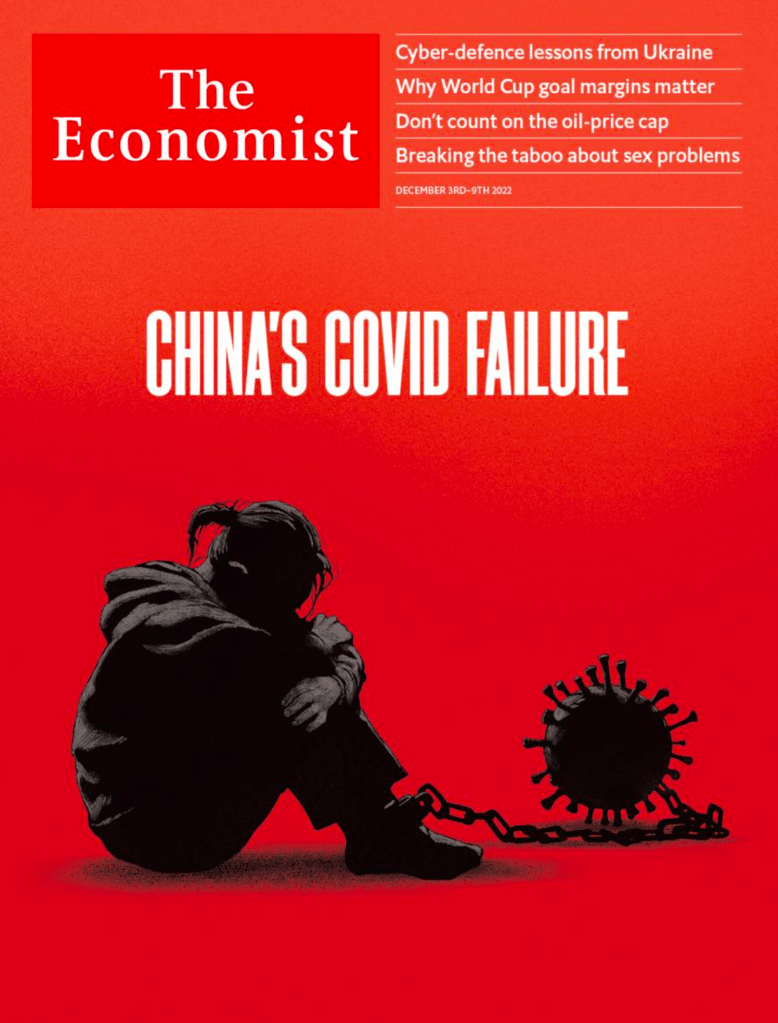
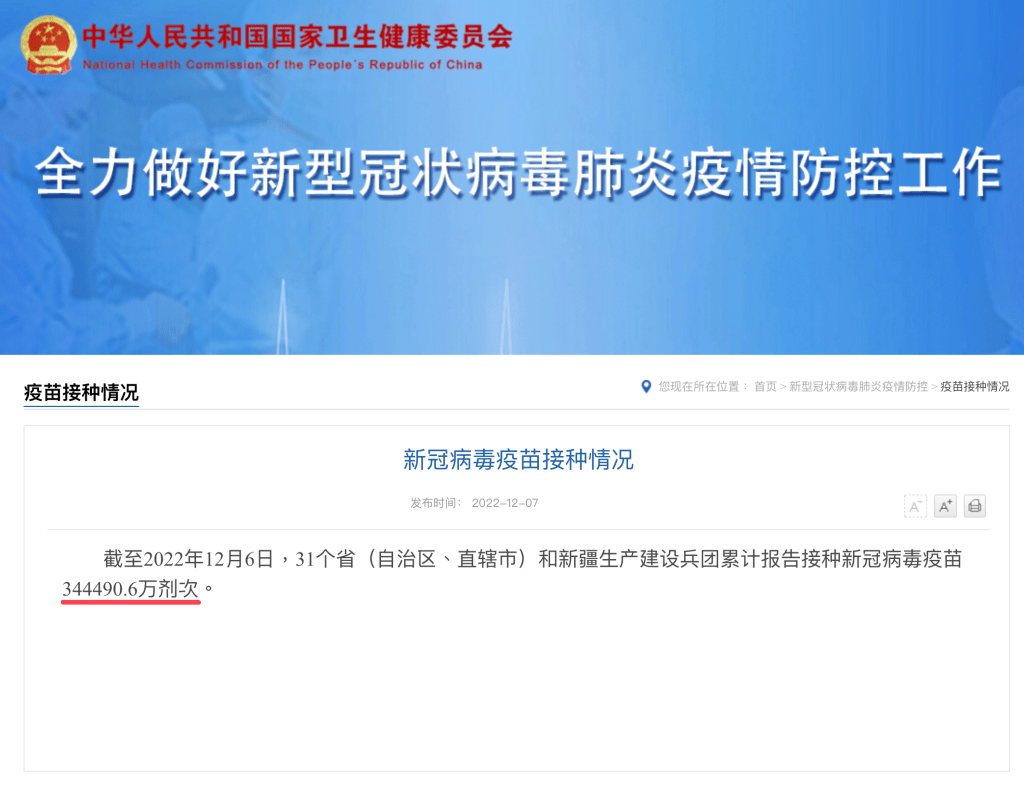
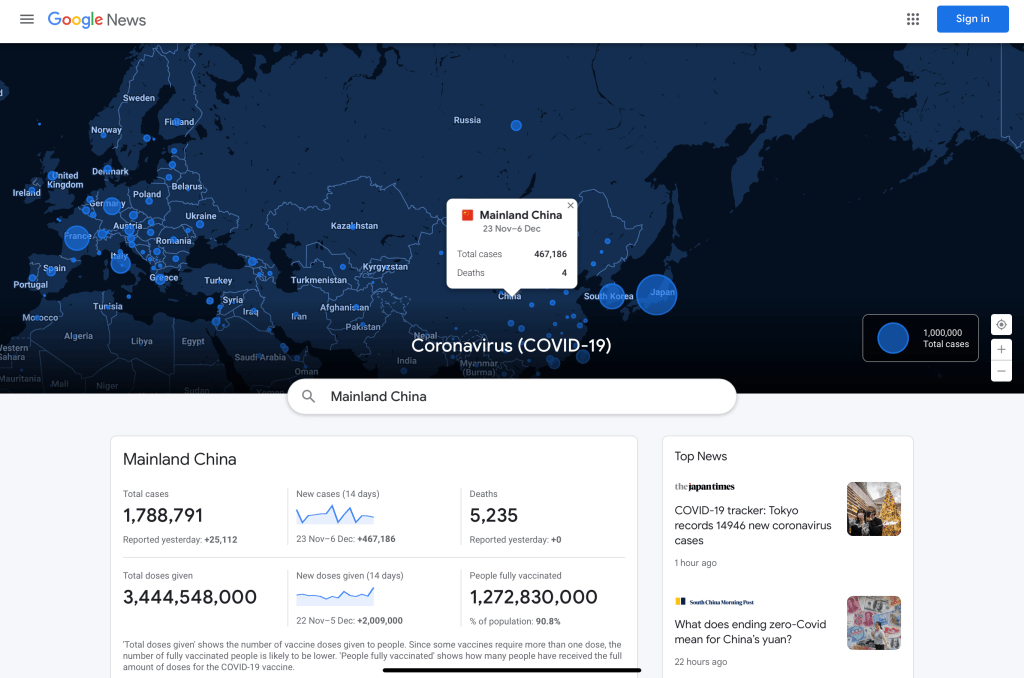
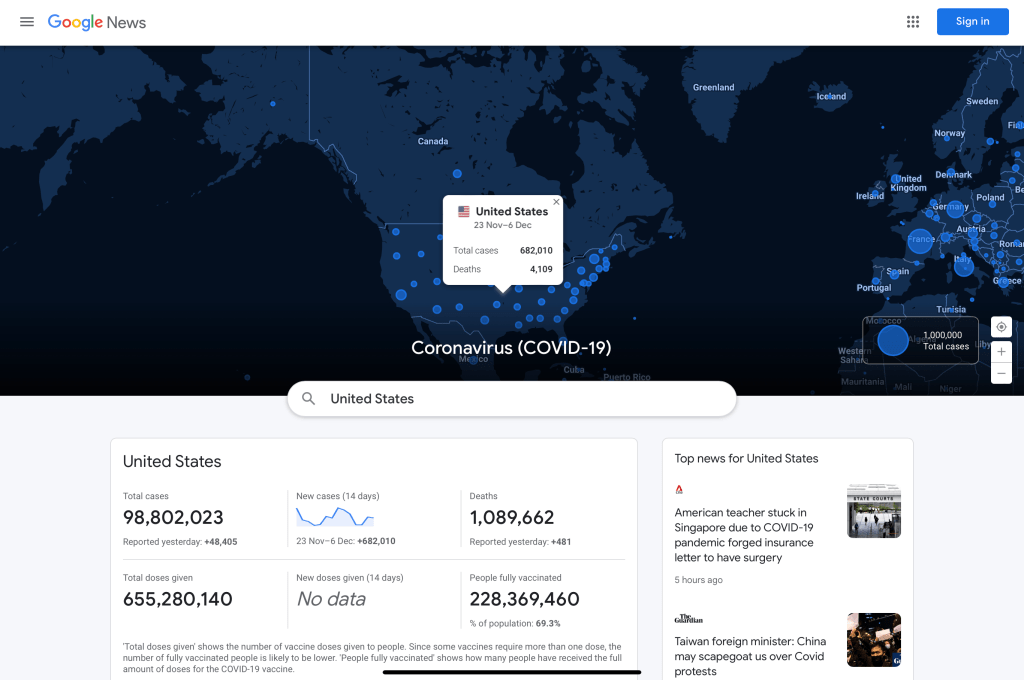
中國大陸截至今日接種疫苗劑數達34億4千多萬劑,施打量佔人口比例241.57%。美國為193.37%、英國為224.04%。
然後這兩天一直看到歐美媒體聲稱中國人民未施打疫苗所以不敢開放。
再看看疫情發生三年來,中國總確診病例178.8萬,死亡人數5235人;美國確診病例9880萬,死亡人數108.9萬人;英國確診病例2400萬,死亡21.2萬人。然後英美媒體稱「中國防疫失敗」。
對媒體而言真相不重要,能藉此帶風向達到真實目的(例如施壓中國開放歐美疫苗)才重要。
余亲历一小儿急性中毒菌痢,其状若尸,呼吸、心跳、血压、脉搏皆无,全身皆冷。唯将棉绒放于鼻下尚微动,知呼吸尚存,遂将三个艾条捆于一起,灸小腹,连续三四个小时,患儿竟苏,体温复升,经治而愈。
【傷寒論冠名法求索(李士懋、田淑霄)】
李士懋 — 河北中医学院教授、主任医师、博士生导师。
田淑霄 — 河北中医学院教授、主任医师、博士生导师。2014年获“国医大师”称号。
根據WSJ報導("Rising Mortgage Rates Complicate Decision on Buying Versus Renting"),有三個數字值得投資人注意:
1. 美國三十年期房貸利率本週站上5.66%,是一年前的兩倍。
2. 美國全國月房貸支付(本金加利息)額中位數對上房租中位數逼近1.5倍,且跳升迅速。上一次比值如此之高是2009年崩盤前。(見圖)
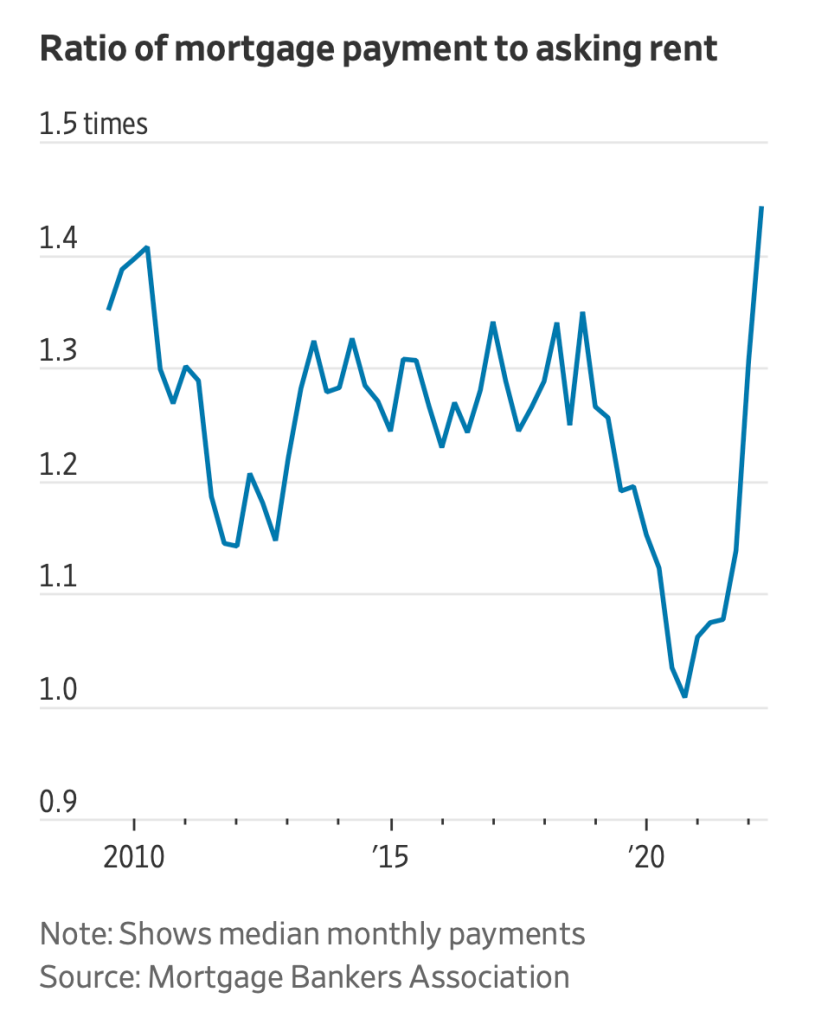
此數值直接影響潛在購屋人群選擇購屋或繼續租屋的意願。
3. 7月份選擇支付違約金也要解除房屋買賣契約的買方有16%。

