分類
科技相關 經濟分析

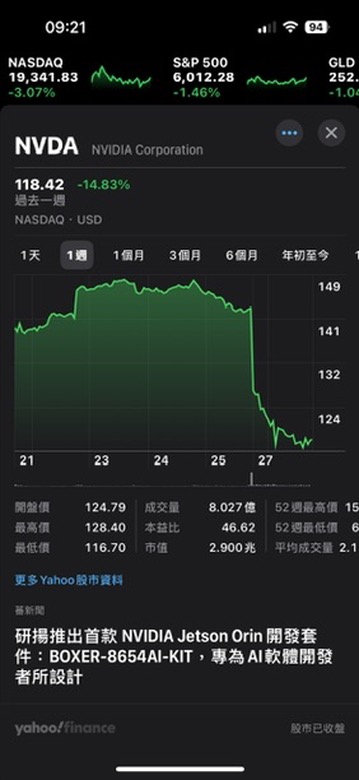
關於DeepSeek的簡單經濟學想法:

a. 用更便宜的鏟子也能挖金礦(也可以看成某工人用同樣的鏟子效率高過其他工人,經濟學上屬於一種專屬租值),對於降不了挖礦成本的其他礦工是否會構成競爭壓力?當然會。這是說,從經濟學競爭角度看,DeepSeek立即對OpenAI和Anthropic造成競爭和收入壓力是必然。如WSJ報導,使用DeepSeek的成本比Anthropic Claude降低至少75%!

b 更便宜的鏟子也能挖一樣多的礦,是否會影響賣鏟子的收入?會也不會,這牽涉到更多侷限條件影響。

假設一:如果賣鏟子的人完全享有完全交易自由,可以自己選擇要將鏟子賣給誰,則這個能更有效率使用鏟子的DeepSeek顯然會買入更多較貴但較強力的鏟子。

對賣鏟子的人而言,收入或者收入成長性可能不變。尤其當AI服務需求曲線是向右上遷移時。

假設二:如果賣鏟子的人沒有交易自由,被限制不能將鏟子賣給使用效率更高的DeepSeek,但世界消費者都能自由地跟DeepSeek購買AI服務(尤其是包含可以免費使用其MIT條款的開放原始碼在商業用途上),則競爭之下,鏟子使用效率較低的現有AI服務商如OpenAI或Anthropic在競爭之下收入會降低,舉債或籌資能力也會降低,的確有可能間接影響賣鏟子的nVidia未來收入。

假設三:要達成nVidia收入不被影響,經濟學上必須要能成功限制DeepSeek的服務範圍和能力,使其無法正常在市場上競爭。

方法可能但不限於:長期大規模攻擊DeepSeek服務器、美國政府下場將DeepSeek列入白宮嚴選。

但基於DeepSeek採取開放原始碼且用MIT條款授權(其中一個要點就是可以自由轉為商業用途甚至可以轉為閉源),使得假設三要達成並不容易。

簡單結論:

如果美國政府放開既有的對中國技術限制和晶片戰,則nVidia收入將不減反增;反之,如美國政府繼續甚至更嚴格限制晶片銷售,則nVidia反而會因此未來收入成長性下降,更長期甚至可能衰退。

分類
筆記 經濟分析

洗衣機關稅實驗

洗衣機關稅實驗

經濟學家 Betsey Stevenson 和 Justin Wolfers 研究發表於《美國經濟評論》(The American Economic Review):

惠而浦(Whirlpool)投訴無法與享有政府補貼的國外競爭對手競爭,2018年川普政府將洗衣機平均關稅提高約9個百分點。

關稅實施的直接影響:

  • 價格轉嫁:關稅增加幾乎完全轉嫁給美國消費者
  • 漲價速度:實施後幾個月內,洗衣機價格上漲幅度與關稅增加幅度基本相當
  • 連帶效應:儘管烘乾機並未受關稅影響,美國洗衣機製造商依然趁機提高了烘乾機的價格

經濟效益分析:

  • 消費者成本:每年增加約15億美元
  • 政府收入:僅收取8200萬美元關稅
  • 就業創造:創造約1800個工作崗位
  • 單位成本:平均每個工作崗位成本約80萬美元

結果:2023年2月關稅到期,價格迅速回落至正常水平,但這5年期間美國洗衣機產業並未因關稅保護而增強,無論是美國國內市場或國際市場,美國產洗衣機依然不斷衰退。

早在川普發起貿易戰時,本blog就已經以經濟分析角度預測美國貿易戰必然失敗,且絕大多數增加的成本(包含關稅)都將由美國人民承擔。隨後數年來的發展明顯證明掌握基本價格理論的科學預測力勝出。

這也表示,無論未來美國由誰執政,在不改變內部政府過度干預市場活動的法律和行政命令的條件下,美國執政者將只能繼續增加關稅來應付國內政治壓力,但結果卻只是更快耗盡美國國際經濟競爭力。

另外一個更值得參考的案例,是美國長達近百年的造船業關稅和非關稅保護措施,幾十年下來結果反而美國失去2次世界大戰前的造船能力,如今連美國自己重要軍艦保養都必須嘗試外包給韓國、日本和印度。

而幾十年美國片面封鎖抵制中國造船業的結果,卻是2023年中國造船能力是美國的200倍以上!

分類
經濟分析

美國通膨真實

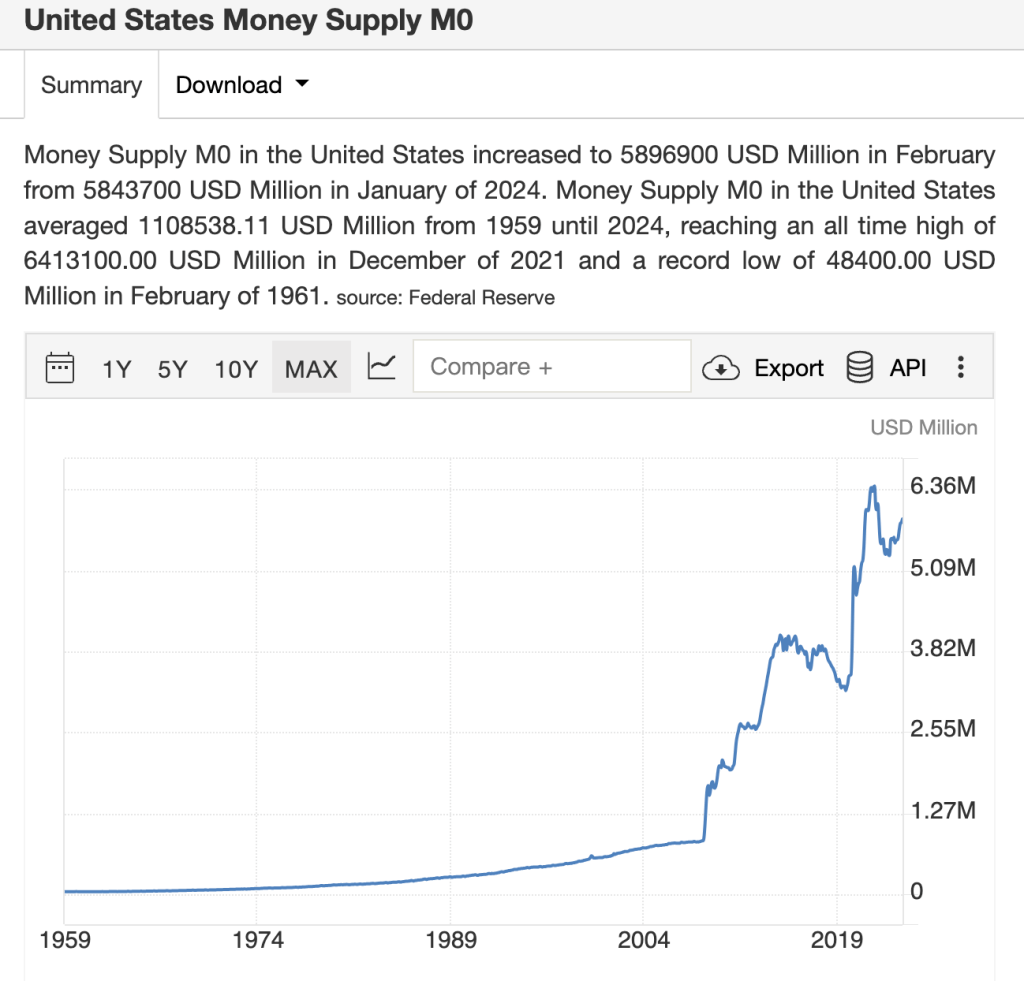
2020年後全世界普遍性通膨則和此文撰寫時間的侷限條件有很大不同,關鍵在於美國濫發美元的程度前所未見。

2019年9月時美國M0貨幣量3.2兆元,2021年10月來到最高點:6.41兆元!即便到2024年2月都還有5.9兆元。

考量貨幣發行量與實際通貨膨脹之間有延遲性,因此即便美國政府怎麼美化甚至造假數據,例如刻意排除食物與能源價格的CPI本身就是在粉飾太平,真實通膨現象實在地侵蝕人民財產,本質就是一種「稅」。

事實是根據WSJ調查,過去五年食品通脹導致消費者在雜貨店的購買力顯著下降。2019年價值100美元的一籃子常見商品,現在要多花36.5%才能買到。

一些商品的價格上漲幅度超過40%,如雞蛋和運動飲料。為了維持與2019年相同的開支,消費者需要從購物車中去掉近37美元的商品。

這些都是經濟學老生常談。

分類
經濟分析

從大陸補教市場一些新現象談起

檯面上看得到的,有集團資源的往學習機方向走,背後其實也與大陸逐漸完善的著作權保護制度息息相關。

檯面下看不到的,以我身在北京,小孩在地唸小學的觀察,化整為零是最常見的補教老師出路,結果是無法規模經濟,家長支出的課後輔導費用大幅升高,如同經濟學預測一樣。

原本我認為新的教育政策會讓家庭財力作為決定小孩升學考試競爭力的因素比重被大大拉高,但反過來,前述檯面上的學習機卻以更規模經濟方式,把整體課後輔導費用打下去。

換言之,大陸課後輔導市場因政府干預往兩極化發展,普羅大眾走學習機、線上教育這塊,費用反而降低;富裕家庭則用更高費用享受更客製化、私人化教育服務。而後者,似乎與政策本身本來也沒有太大關係,總是有錢就有供給。

唯一可以確定的是,十多年前我曾在南方報系的專欄用經濟學闡釋,學習壓力與競爭程度來自於終端人力市場的競爭壓力鏈傳遞。因此那些看著歐美輕鬆教育就跟著瞎嚷嚷要學的所謂「人本教育專家」,其實根本是蠢到看不清現實世界。(當然也可能是故意裝傻好騙錢)

更細緻地談,還可以分別西方菁英教育與公立教育之間強度與品質的差異;還有西方靠許多人為壟斷利益的建立,使得人力成本享受單位溢價(例如專利、著作權制度)。這塊談起來盤根錯節,非常麻煩。但大方向上,東亞國家近50年的追趕,必然造成追趕國家勞動力面對的工作強度、壓力遠大過享受較多壟斷利益的所謂「西方先進國家」。因此相當長時間都會看到東亞國家勞工工作強度、壓力、時間都更長但「名義邊際生產力」卻看似較低的詭異現象。但實際生產線上的參與者都看不出來西歐美國勞工邊際生產力哪裡比較高。

因此,在實際人均收入拉平前,經濟追趕國家的人均工作強度/壓力,與往下傳遞各年齡層的學習強度/壓力,都會維持在一個相對較高的狀況。而這個高度,會與前述實際人均收入差值成反比。

故我們看到,先富起來的日本,是追趕國家中相對早躺平與出現宅文化社會現象的國家。

分類
經濟分析

Discussing New Phenomena in Mainland China’s Tutoring Market

From the surface level, groups with resources are moving towards learning machines, which is closely related to Mainland China’s gradually improving copyright protection system.
Below the surface, based on my observations in Beijing with my child attending local primary school, the most common exit for tutoring teachers is to break down their services into smaller parts, resulting in an inability to scale economically. This leads to a significant increase in the cost of after-school tutoring for parents, just as economics would predict.
I originally thought that new education policies would greatly increase the influence of family financial resources on children’s competitive advantage in academic examinations. However, conversely, the aforementioned learning machines on the surface level are reducing the overall cost of after-school tutoring in a more economical way.
In other words, due to government intervention, the after-school tutoring market in Mainland China is polarizing. The general public is turning to learning machines and online education, which reduces costs, while wealthy families are paying higher fees for more customized and private educational services. The latter seems to be less related to the policy itself; there is always a supply when there is money.
One thing for certain is that over a decade ago, I explained in a column for the Southern Newspaper Group using economics that the pressure and competition level in education stem from the competitive pressure in the terminal labor market. Therefore, those so-called “human-centered education experts" who blindly call for adopting relaxed Western education methods are either foolishly unaware of the real world or intentionally pretending to be ignorant to deceive people for money.
Delving deeper, we can discuss the differences in intensity and quality between Western elite education and public education, and how the West relies on many artificially created monopolies to enjoy premium labor costs (e.g., patent and copyright systems). This topic is complicated and troublesome to discuss in detail. However, broadly speaking, the nearly 50-year catch-up by East Asian countries has inevitably led to a situation where the workforce in catching-up countries faces far greater intensity and pressure than those in so-called “advanced Western countries" who enjoy more monopolistic benefits. Thus, for a considerable time, we will see East Asian workers experiencing longer work hours and more pressure, yet seemingly having lower “nominal marginal productivity" compared to Western workers, which is a paradox that actual participants in the production line cannot discern.
Therefore, until per capita income levels out, the average work intensity/pressure in catching-up economies, along with the learning intensity/pressure passed down to all age groups, will remain relatively high. This level will be inversely proportional to the aforementioned difference in actual per capita income.
Hence, we see that Japan, which became wealthy earlier among the catching-up countries, is relatively early in adopting a laid-back attitude and experiencing phenomena such as the hikikomori (social withdrawal) culture in society.

(translated by ChatGPT)

分類
經濟分析

亨利福特T型車

1913年發明汽車流水線生產的Ford T型車初始上市售價850美元,遠比同時期其他品牌汽車2000~4000美元價格區間便宜非常多,因此市場競爭力特別強大,很快從富裕階層向中產階層拓展客源,而更廣大的市場反哺規模經濟下的流水線生產,使得生產成本進一步降低,到了1927年T型車售價不斷下壓至290美元。

靠著成本優勢獲得強大市場競爭力,在福特汽車上是載入史冊的近現代工業傳奇。

但到了現今中國新能源汽車上,同樣的成本優勢成為兩棲動物口中「滯銷品」、「賣越多越失敗」啦~

Adam Smith經典「國富論」為經濟學開山之作,書中清楚解釋市場廣度決定專業分工的程度 (“The division of labor is limited by the extent of the market”)。同時,專業分工的程度決定生產成本優勢。更重要的是,專業分工下的成本優勢又會進一步拓展市場廣度(”the division of labor gives rise to market institutions and expands the extent of the market. “)。

中國擁有世界數一數二,同文同種高度統一法規的巨大市場,必然可以容納小市場難以生存的專業分工型態,並以此取得巨大成本優勢拓展國際市場。

上述根本就是Adam Smith這位經濟學祖師爺早已闡述清楚的經濟現象:適用於20世紀初的福特汽車,當然也適用於21世紀初的中國新能源車。

偏偏總有些兩棲動物連這最基本的經濟學感受都不具備。到了他們口中,具備價格競爭力反倒是要亡國滅種囉。

分類
經濟分析

Henry Ford’s Model T Car

In 1913, the Ford Model T, which introduced assembly line production, had an initial market price of $850. This was significantly cheaper than other brands of cars at the time, which ranged between $2,000 and $4,000, thus offering a strong competitive edge in the market. It quickly expanded its customer base from the affluent to the middle class. The broader market, in turn, fueled the economies of scale in assembly line production, further reducing production costs. By 1927, the price of the Model T had been driven down to $290.

Leveraging cost advantages for competitive strength in the market, Ford’s approach became a modern industrial legend recorded in history. However, in today’s Chinese new energy vehicle sector, the same cost advantage is paradoxically seen by some as indicative of “unsold goods" and “the more you sell, the more you fail."

Adam Smith’s seminal work, “The Wealth of Nations," lays the foundation for economics, clearly explaining that the scope of the market determines the extent of the division of labor (“The division of labor is limited by the extent of the market"). In turn, the degree of specialization determines cost advantages. More importantly, the cost advantages under specialized division further expand the market scope (“the division of labor gives rise to market institutions and expands the extent of the market").

China, with one of the world’s largest markets characterized by a unified language, race, and highly unified regulations, can naturally accommodate specialized divisions of labor that small markets cannot sustain, thereby gaining significant cost advantages to expand into the international market.

The aforementioned is fundamentally the economic phenomenon clearly explained by Adam Smith, the father of economics: applicable to Ford cars in the early 20th century and equally applicable to Chinese new energy vehicles in the early 21st century.

Yet, there are always some who lack even this basic economic sense. In their view, having competitive pricing is somehow equated with national doom.
分類
筆記 經濟分析

經濟隨筆

1. 約莫15年前,經濟學大師張五常曾預測幾年內中國內需市場重要性將會大過出口市場,到時即便被美國貿易制裁也大可置之不理。

一個重要的經濟理論是Adam Smith 就提出的「專業分工的限度事由市場的廣度決定(Specialization is limited by the extent of the market)」

中國目前是世界140多個國家最大貿易夥伴,同時中國也是全世界唯一擁有聯合國定義所有工業項目產出的國家。Adam Smith的智慧由此可證,反之也證明中國在供應面的強大已非同日而語。

市場夠大,專業分工就可以夠細且全面;反之,夠細且全面的分工本身可以帶來巨大的成本優勢,利於更進一步拓展市場。這是一個正向循環過程。

比如中國2023年前十月新車銷售量接近3000萬輛,是第二大市場美國的2倍。這充分解釋為何中國產電動車售價相對世界多數國家物美價廉,以及銷往歐美售價高過國內售價。

2. 2019年川普政府發動貿易戰初起,我就預測美國此舉會加速中國工業升級,美國在貿易戰上只會付出巨大成本而徒勞無功。都是經濟學基本定律的應用。

如今看中國在電動車的競爭力,以及美國現今真實貿易依然高比例依賴中國(無論是made in China或made by China,帳面數據上似乎美國從中國進口少了一點,但大幅增加的墨西哥或東南亞國家供應者背後幾乎都有高比例中國企業的影子),也再次證明經濟學的科學預測力。

3. 中國市場本身自由度越高,則面對貨幣緊縮/通膨的能力越強。

換言之,坊間誇誇其談中國通縮風險如何嚴重的人,99%都是經濟低手,其言論不值一看。

如同張五常多年文章反覆提及,改革開放以來中國曾面臨長時間嚴重通貨緊縮,卻在同一段時間享有高度經濟成長,其關鍵在於市場自由度夠高,各種複雜的契約關係都能快速變換、定價。

因此只要中國繼續維持開放自由市場路線,則面對貨幣波動的韌性肯定是遠超市場相對非常不自由的歐美市場。

筆記:

商务部:10月社会消费品零售总额4.3万亿元 同比增长7.6%

人民网北京11月22日电 (记者孙红丽)11月22日,商务部消费促进司负责人谈2023年10月我国消费市场情况时表示,10月份,社会消费品零售总额4.3万亿元,同比增长7.6%,增速比9月份加快2.1个百分点,连续3个月回升;1-10月累计38.54万亿元,同比增长6.9%。

商务部消费促进司负责人指出,10月份,各级商务主管部门按照“2023消费提振年”总体安排,抓住国庆假期消费旺季有利时机,加快落实各项促消费政策措施,积极组织开展金秋购物节、家居焕新消费季、新能源汽车消费季等活动,优化消费供给,创新消费场景,提振消费信心,促进消费持续恢复和扩大。

商品消费增速加快。10月份,商品零售额同比增长6.5%,增速比上月加快1.9个百分点。户外运动、新型电子产品、新能源汽车、智能家电等升级类商品增势较好。限额以上单位体育娱乐用品、通讯器材、汽车、家电零售额同比分别增长25.7%、14.6%、11.4%和9.6%,比上月分别加快15.0、14.2、8.6和11.9个百分点。新能源汽车销量同比增长33.5%,占新车销量比重达33.5%。

服务消费较快增长。1-10月,服务零售额同比增长19.0%。在节日效应等因素带动下,住宿餐饮、文化旅游、交通出行等服务消费需求集中释放。10月份,餐饮收入4800亿元,同比增长17.1%;电影票房收入超36亿元,增长约七成;铁路旅客运输量、城市轨道交通客运量同比分别增长195.6%和55.8%。

网上零售增势较好。1-10月,网上零售额12.3万亿元,同比增长11.2%,其中实物商品网上零售额10.3万亿元,增长8.4%,占社会消费品零售总额的比重达26.7%。

实体零售持续恢复。1-10月,限额以上实体店零售额同比增长4.3%,增速比1-9月加快0.3个百分点。其中,便利店、百货店、专业店、品牌专卖店零售额同比分别增长7.3%、7.2%、4.7%和3.6%。国庆期间,全国示范步行街日均客流量同比增长87.4%,36个大中城市重点商圈日均客流量同比增长1.6倍。

城乡消费稳步增长。10月份,城镇消费品零售额3.7万亿元,同比增长7.4%;乡村消费品零售额5854亿元,增长8.9%。1-10月,城镇、乡村消费品零售额分别为33.39万亿元和5.16万亿元,同比分别增长6.8%和7.6%。

分類
經濟分析

Economic Essays

  1. About 15 years ago, the esteemed economist Steven N.S. Cheung predicted that within a few years, the importance of China’s domestic market would surpass that of its export market. By then, even if subjected to trade sanctions by the United States, China could afford to disregard them. An important economic theory proposed by Adam Smith is that “the division of labor is limited by the extent of the market." Currently, China is the largest trading partner for over 140 countries and is the only country in the world that produces all industrial categories defined by the United Nations. This validates Adam Smith’s wisdom and also demonstrates that China’s supply-side capabilities have significantly evolved.

A large market allows for finer and more comprehensive specialization; conversely, such detailed and comprehensive division of labor can bring significant cost advantages, facilitating further market expansion. This creates a positive feedback loop. For instance, China’s new car sales in the first ten months of 2023 approached 30 million units, double that of the second-largest market, the United States. This adequately explains why Chinese electric vehicles are relatively more affordable compared to most countries worldwide and why they are sold at higher prices in Europe and America than in China.

  1. At the onset of the trade war initiated by the Trump administration in 2019, I predicted that this move would accelerate the industrial upgrading of China and that the United States would only incur substantial costs in vain. This is all the application of basic economic laws. Today, looking at China’s competitiveness in electric vehicles, and the United States’ continued high reliance on China for trade (whether it’s made in China or made by China, although the official data may show a slight decrease in imports from China, the significantly increased supply from Mexico or Southeast Asian countries almost always involves a high proportion of Chinese enterprises), once again proves the predictive power of economics.
  2. The higher the degree of market freedom in China, the stronger its ability to cope with monetary tightening/inflation. In other words, those who widely discuss the severe risk of deflation in China are 99% economically illiterate, and their statements are not worth considering. As Steven N.S. Cheung has repeatedly mentioned in his articles over the years, China has faced severe deflation for a long time since the reform and opening-up, yet it enjoyed high economic growth during the same period. The key lies in the high degree of market freedom, where various complex contractual relationships can be rapidly changed and priced. Therefore, as long as China continues to maintain an open and free market approach, its resilience to monetary fluctuations will undoubtedly far exceed that of the relatively unfree markets in Europe and America.

Note:
Ministry of Commerce: The total retail sales of consumer goods in October reached 4.3 trillion yuan, an increase of 7.6% year-on-year
People’s Daily, Beijing, November 22 (Reporter Sun Hongli) – On November 22, a spokesperson from the Department of Consumer Promotion of the Ministry of Commerce discussed China’s consumer market situation in October 2023, stating that in October, the total retail sales of consumer goods reached 4.3 trillion yuan, an increase of 7.6% year-on-year, accelerating by 2.1 percentage points from September and rebounding for three consecutive months; from January to October, the cumulative total was 38.54 trillion yuan, an increase of 6.9% year-on-year.

The spokesperson from the Department of Consumer Promotion pointed out that in October, commercial authorities at all levels, in accordance with the overall arrangements of the “2023 Year of Consumption Promotion", seized the favorable opportunity of the National Day holiday consumption peak season, accelerated the implementation of various consumer promotion policies and measures, actively organized and carried out activities such as the Golden Autumn Shopping Festival, Home Renewal Consumption Season, and New Energy Vehicle Consumption Season, optimized the supply of consumption, innovated consumption scenarios, boosted consumer confidence, and promoted the continuous recovery and expansion of consumption.

The growth rate of commodity consumption accelerated. In October, the retail sales of goods increased by 6.5% year-on-year, accelerating by 1.9 percentage points from the previous month. Upgraded products such as outdoor sports equipment, new electronic products, new energy vehicles, and smart home appliances performed well. The retail sales of sports and entertainment goods, communication equipment, automobiles, and home appliances in above-designated-size units increased by 25.7%, 14.6%, 11.4%, and 9.6% year-on-year, respectively, accelerating by 15.0, 14.2, 8.6, and 11.9 percentage points from the previous month, respectively. The sales volume of new energy vehicles increased by 33.5% year-on-year, accounting for 33.5% of new car sales.

The growth of service consumption was relatively fast. From January to October, the retail sales of services increased by 19.0% year-on-year. Driven by the holiday effect and other factors,

service consumption demands such as accommodation and catering, cultural tourism, and transportation were released intensively. In October, catering revenue reached 480 billion yuan, an increase of 17.1% year-on-year; movie box office revenue exceeded 3.6 billion yuan, increasing by about 70%; railway passenger transport volume and urban rail transit passenger transport volume increased by 195.6% and 55.8% year-on-year, respectively.

Online retail sales performed well. From January to October, online retail sales reached 12.3 trillion yuan, an increase of 11.2% year-on-year, of which online retail sales of physical goods reached 10.3 trillion yuan, increasing by 8.4%, accounting for 26.7% of the total retail sales of consumer goods.

Physical retail continued to recover. From January to October, the retail sales of above-designated-size physical stores increased by 4.3% year-on-year, accelerating by 0.3 percentage points from January to September. Among them, retail sales of convenience stores, department stores, specialty stores, and brand stores increased by 7.3%, 7.2%, 4.7%, and 3.6% year-on-year, respectively. During the National Day holiday, the average daily passenger flow of national demonstration pedestrian streets increased by 87.4% year-on-year, and the average daily passenger flow of key business districts in 36 large and medium-sized cities increased by 1.6 times year-on-year.

Urban and rural consumption grew steadily. In October, urban consumer goods retail sales reached 3.7 trillion yuan, an increase of 7.4% year-on-year; rural consumer goods retail sales reached 585.4 billion yuan, an increase of 8.9% year-on-year. From January to October, urban and rural consumer goods retail sales reached 33.39 trillion yuan and 5.16 trillion yuan, respectively, an increase of 6.8% and 7.6% year-on-year, respectively.

(translated by ChatGPT)

分類
經濟分析

閒談經濟數字

中國前三季出口年增0.6%

進口年減1.2%

用電量年增加5.6%

聲稱GDP增長 5.2%

美國2023年前三季出口年增1.1%

進口年減4.3%

用電量年減少5.37%

聲稱GDP增加 2%

關於GDP對應國家經濟增長的觀點,我以前已經詳談過,不再重複。簡單說三個重點:

  1. 現代GDP計算方法有幾種,主流概念不外乎:
    C + I + G + (XM)
    私人支出+投資+政府支出+(出口-進口)

    我批評過,此公式內涵「重商主義」的偏見,錯認「出口比進口好」。

    但我也談過,其實統計方法與魔鬼細節事實上讓GDP的絕對數值本身並沒有太多經濟學意義可供討論,例如就有論者認為,中國如果套用美國統計方式,現有GDP要翻倍,因為有太多中國不列入GDP計算項目,但美國是列入的,例如

    可是一者現在似乎沒有更好的國家層面經濟統計方式;再者,GDP統計在長期趨勢上還是有相當參考性。
  2. 同樣照骨科小腿脛骨腓骨X光,根據最近一起會議的美國醫師表示大約$1000美元,而在中國三甲醫院費用約$100人民幣。前者是後者約70倍價格,但在真實經濟活動產出真的有70倍嗎?換言之,稍有經濟邏輯者都會發現,前者存在高比例通貨膨脹與制度費用於其中,並非美國醫生同樣的一次診療活動就真的產出70倍於中國醫生。
    (三年前我所知美國此費用約在$250~400美元之間)

    這也代表美國GDP產出存在多少「澎風」現象?是值得思考的問題。

    而對經濟學了解更多一點的人會想到,根據要素平價理論、比較優勢定律等思維,這意味著在國際貿易活動下,兩地價格如果不能趨近,就會反應在「貨幣價格」與「交易數量」二者上。降低整體交易費用有助減輕這樣的動態平衡中可能的死傷,但美國一系列反自由市場的制裁舉措,增加的整體交易費用最後幾乎都必須由美國人民來買單大部分。這樣的論點我也反覆談了好幾年,許多實證研究也支持美國人民的確負擔更重。(例如此篇研究就指出美國進口商負擔了93%的對中貿易戰關稅)
  3. 實際用電量在某些角度是觀察一個國家經濟活動更好的指標,因為電力幾乎是現今社會幾乎所有經濟活動的必須生產要素之一。

    我們可以數據圖看到美國從2000年之後事實電力消費成長是近乎停滯的。同時期中國電力消費卻仍相對高速增長。

此外2020~2022年,美國政府支出佔GDP高達48%、44%、37%,考量美國政府還有很多作帳隱瞞政府開支的壞記錄,我相信前述比例只會更高不會低。

相對中國政府支出佔GDP 2012年以來始終徘徊在15~16%。

簡單總結,我住在北京所觀察到的一般民眾食衣住行價格變化與人潮,看不出來經濟崩潰可能性。反之,我在美國的同學朋友所分享描述,我相當懷疑拜登政府任內的美國經濟數字真實性。姑且不談美國政府是否造假(雖然美國政府此類劣跡罄竹難書),但現在可見的數字,應該是與真實經濟樣貌相去甚遠。